
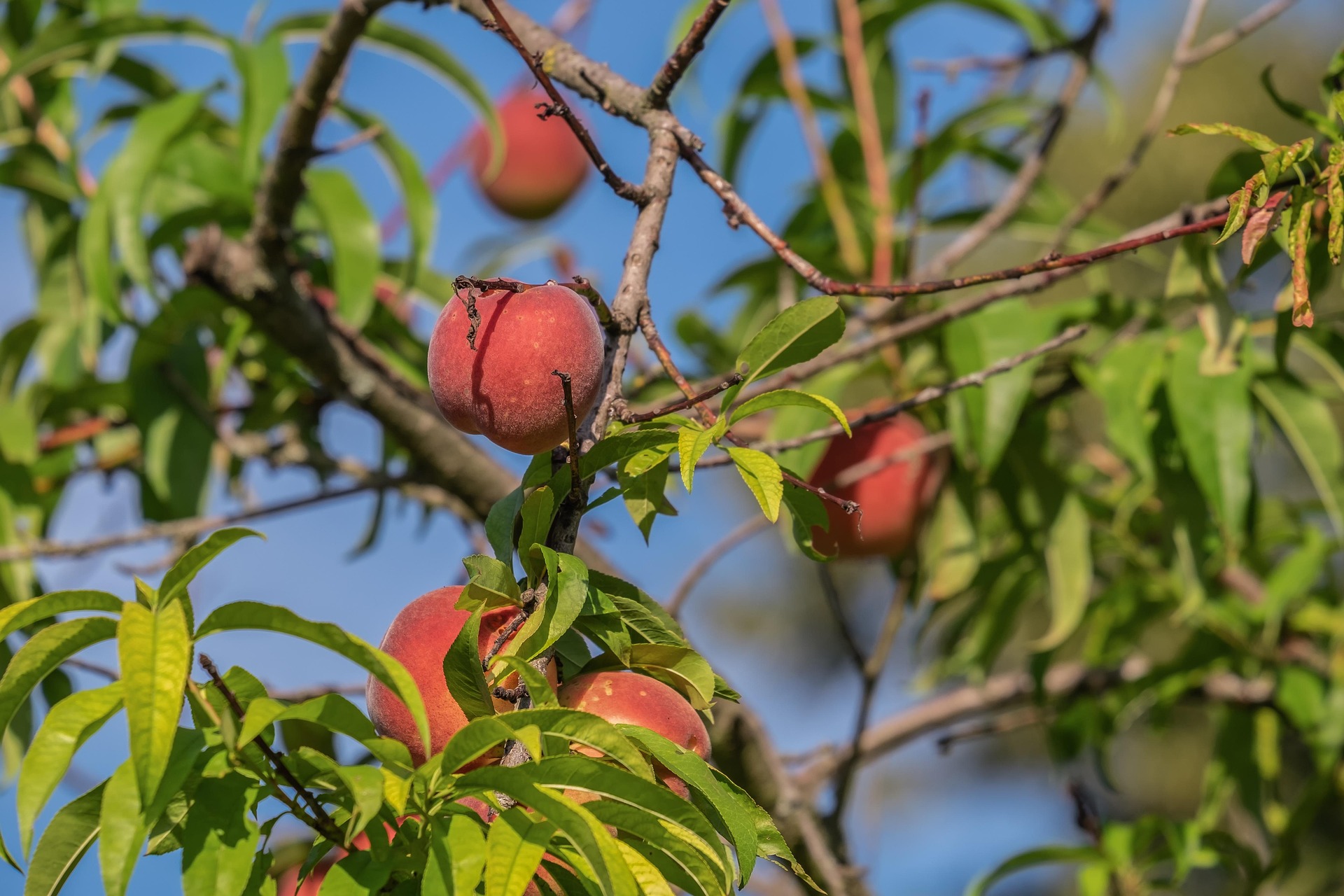
Grapholita molesta is one of those pests that stone fruit growers tend to underestimate until it shows up in their packing line. The larvae attack both shoots in early season and fruit later on, which means damage can be scattered and easy to miss until it's already widespread.
The moth completes multiple generations per season — anywhere from three to seven depending on climate — and overwinters as a mature larva in bark crevices or soil debris. In warmer regions this basically means year-round pressure with no clean break between seasons.
Pheromone-based management has a long track record with this species. Mating disruption using dispensers loaded with (Z)-8-dodecenyl acetate and related compounds is widely adopted in peach and nectarine orchards across the US, Europe, and Australia. The main advantage over conventional sprays is consistent coverage throughout the canopy without the timing pressure of spray windows.
Monitoring programs typically use trap catches to establish biofix — the date when adult flight begins — and then use degree-day models to predict subsequent generations. It's a relatively well-studied pest, which means the supporting data for pheromone use is solid. Sourcing the raw pheromone components to spec is straightforward, though purity requirements for mating disruption applications are stricter than for simple monitoring lures.