
Pest pressure in 2026 continues to reflect patterns that have been building for several years — range expansion driven by climate, increased trade moving insects across borders, and resistance developing in some populations against conventional chemistry.
Codling moth remains a consistent problem in apple-producing regions globally. Nothing new there, but registration of pheromone-based mating disruption products is expanding in markets that previously relied almost entirely on insecticides, particularly in parts of Eastern Europe and Central Asia.
Fall armyworm is still moving. Since its initial detection in Africa in 2016, it has become endemic across sub-Saharan Africa and established itself in South and Southeast Asia. The economic impact on maize continues to be significant, and interest in pheromone monitoring tools as part of IPM programs is growing, though adoption is uneven.
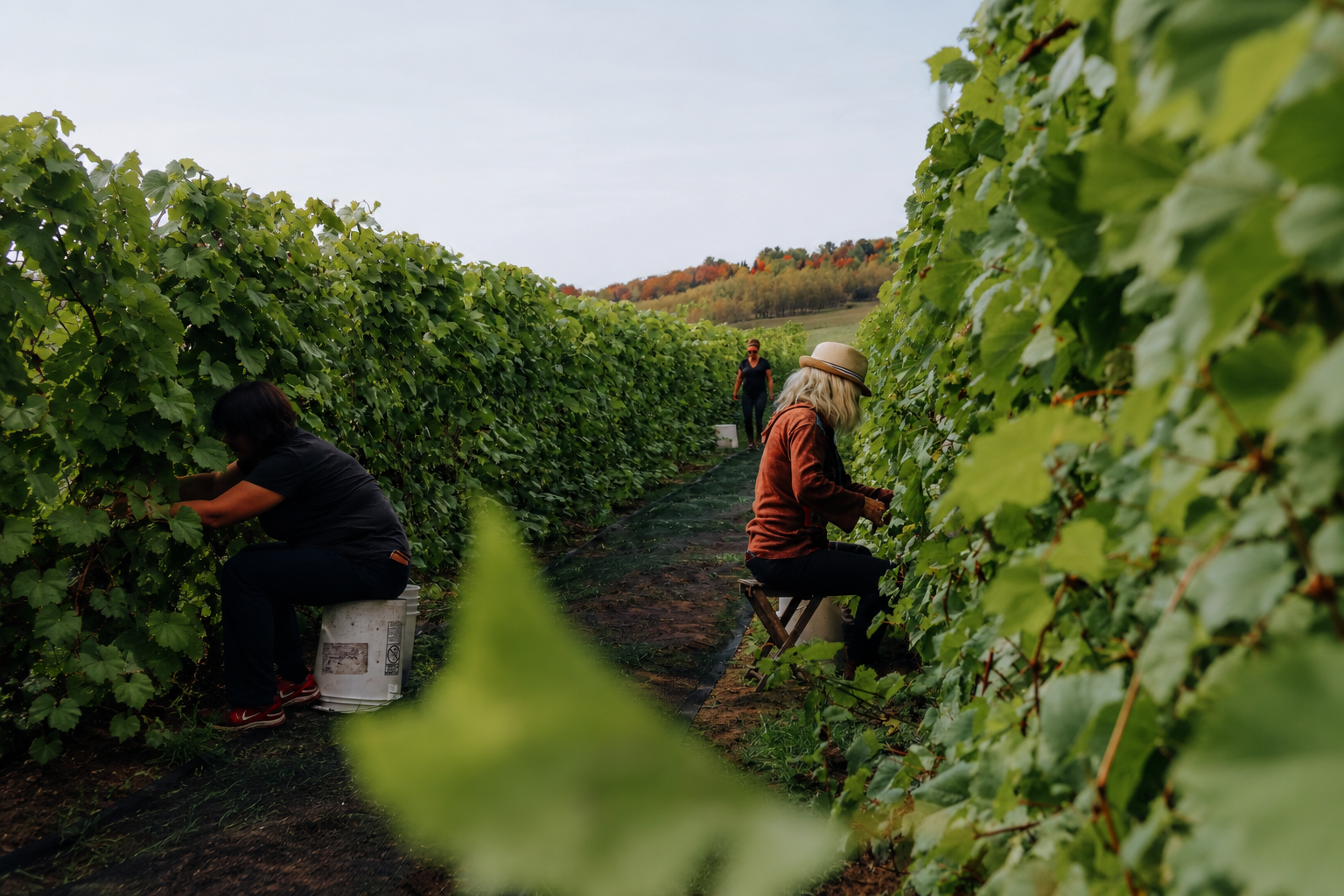
Spotted lanternfly is the one generating the most concern in North America right now. It's moved well beyond its initial detection zone in Pennsylvania and is now established across a wide swath of the eastern US. The host range is broad and includes grapes, hops, and tree fruit. Pheromone research is ongoing — aggregation pheromone components have been characterized and trap development is active, though commercial lure products are still catching up to the research.
These three species represent different stages of the same story: invasion, establishment, and the slow build of IPM infrastructure around them.